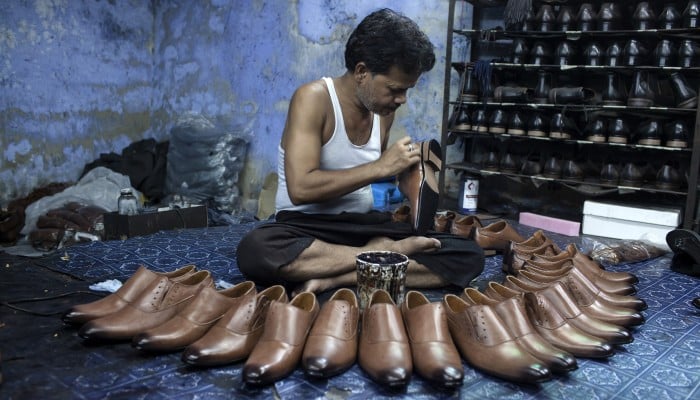
Ever wonder how that perfect pair of sneakers, the ones that make you feel like you could conquer the world, actually comes to life?
We've all been there, haven’t we? Standing in a store, overwhelmed by choices, hoping to find shoes that are both comfortable and stylish, but also ethically made and durable enough to last. It’s a lot to ask of a single pair of shoes!
Today, we’re peeling back the curtain and taking you on a virtual tour of the modern shoe factory. We’ll explore the incredible processes and cutting-edge innovations that transform raw materials into the footwear we rely on every day, touching upon the design process, material sourcing, manufacturing techniques, and sustainability efforts shaping the industry.
By the end of this, you’ll have a newfound appreciation for the artistry, engineering, and technology that go into crafting your favorite shoes. You might even look at your next pair with a different perspective!
The Evolution of Shoemaking: A Look at Contemporary Production
Okay, let’s be honest. When you picture a shoe factory, what comes to mind? Maybe something a little Charlie Chaplin-esque? While there’s still a lot of craftsmanship involved, the modern shoe factory is a far cry from the dusty, dimly lit workshops of the past. Think high-tech machinery, sophisticated software, and a whole lot of innovation.
The journey of a shoe begins long before it hits the production line. It starts with…
The Design Dream: Where It All Begins
This is where the magic happens. Designers, often armed with computer-aided design (CAD) software, sketch, model, and refine their ideas. They're not just thinking about aesthetics, though. Ergonomics, biomechanics, and material properties are all carefully considered to ensure comfort, performance, and durability. Prototypes are created, tested, and tweaked until the design is just right. This initial stage is crucial; a great design sets the stage for a great shoe.
It's not just about pretty sketches anymore. Designers are using 3D printing to rapidly prototype designs, allowing them to quickly iterate and test different ideas. Imagine being able to hold a physical model of your shoe design within hours – that's the power of modern technology!
Material Matters: Sourcing and Selection
Once the design is finalized, it's time to choose the materials. This is a critical step, as the quality and type of materials will directly impact the shoe’s performance, comfort, and environmental footprint. We're talking everything from leather and synthetic fabrics to rubber, foam, and adhesives.
Sustainability is playing an increasingly important role here. Manufacturers are actively seeking out eco-friendly alternatives, such as recycled materials, plant-based leather alternatives, and sustainably sourced rubber. The rise of brands prioritizing ethical sourcing and transparency is pushing the entire industry towards more responsible practices. Look for certifications like the Leather Working Group (LWG) or bluesign® to ensure that materials are sourced responsibly.
Cutting and Stitching: The Heart of Construction
This is where raw materials start to take shape. Automated cutting machines, often guided by lasers or water jets, precisely cut out the different components of the shoe, like the upper, lining, and sole. These pieces are then stitched together, often using a combination of automated sewing machines and skilled handcraftsmanship. The upper, the part of the shoe that covers your foot, is painstakingly assembled, piece by piece.
Fun fact: some high-end shoe factories still rely heavily on skilled artisans for intricate stitching and detailing. The human touch is still valued, especially when it comes to creating truly unique and luxurious footwear.
Sole Searching: Attaching the Foundation
The sole is the foundation of any shoe, providing cushioning, support, and traction. Attaching the sole to the upper is a crucial step in the manufacturing process. There are several different methods used, including gluing, stitching, and molding.
Injection molding is a common technique, especially for athletic shoes. Molten plastic or rubber is injected into a mold, creating a durable and precisely shaped sole. Direct injection is even more advanced, bonding the sole directly to the upper during the molding process, creating a stronger and more durable bond.
Quality Control: Ensuring Perfection
Throughout the entire manufacturing process, rigorous quality control checks are in place. Every shoe is inspected for defects, imperfections, and adherence to quality standards. This ensures that every pair that leaves the factory is up to par.
Think of it like this: each shoe undergoes a series of tests, from checking the strength of the stitching to evaluating the flexibility of the sole. Only shoes that pass these tests make it to the final stage.
What about innovation in shoemaking today?
The shoe industry is undergoing a period of rapid innovation, driven by advancements in technology and a growing demand for sustainable and personalized footwear.
3D Printing: The Future of Footwear?
3D printing is revolutionizing the way shoes are designed and manufactured. It allows for the creation of highly customized shoes, tailored to the specific needs and preferences of individual customers. Imagine getting a shoe perfectly molded to the unique contours of your foot!
Beyond customization, 3D printing also enables the creation of complex and intricate designs that would be impossible to achieve with traditional manufacturing methods. This opens up exciting possibilities for performance enhancement and aesthetic innovation.
Automation and Robotics: Efficiency and Precision
Robots and automation are playing an increasingly important role in shoe manufacturing. They can handle repetitive tasks with speed and precision, increasing efficiency and reducing labor costs. This doesn't necessarily mean job losses; it often means that workers are freed up to focus on more skilled and creative tasks.
Automation is also helping to improve quality control. Robots can be equipped with sensors and cameras to detect even the smallest imperfections, ensuring that every shoe meets the highest standards.
Smart Shoes: Connecting Footwear to Technology
Smart shoes are equipped with sensors and other technologies that can track your activity, monitor your performance, and even provide personalized feedback. These shoes can connect to your smartphone or other devices, providing you with valuable data about your steps, distance, speed, and more.
Smart shoes are finding applications in a wide range of fields, from sports and fitness to healthcare and rehabilitation. Imagine a shoe that can help you improve your running form or monitor your gait to prevent injuries.
How are shoe factories becoming more sustainable?
The shoe industry is facing increasing pressure to reduce its environmental impact. Consumers are demanding more sustainable and ethically made products, and manufacturers are responding with a range of innovative solutions.
Sustainable Materials: Eco-Friendly Alternatives
We already touched on this, but it’s worth reiterating. From recycled rubber outsoles to bio-based uppers, shoe companies are actively exploring and adopting eco-friendly materials. This reduces reliance on virgin resources and minimizes the environmental footprint of the shoe.
Reducing Waste: Efficient Manufacturing Processes
Lean manufacturing principles are being implemented to reduce waste and improve efficiency throughout the production process. This includes optimizing cutting patterns to minimize material waste, using water-based adhesives instead of solvent-based ones, and recycling scrap materials.
Ethical Labor Practices: Fair Treatment of Workers
Ensuring fair labor practices and safe working conditions is a crucial aspect of sustainable shoe manufacturing. Companies are working to improve transparency in their supply chains, conduct regular audits of their factories, and ensure that workers are paid fair wages and have access to safe and healthy working conditions. Look for brands that are Fair Trade certified or that have transparent supply chains.
So, the next time you slip on your favorite pair of shoes, take a moment to appreciate the complex and innovative process that brought them to life. From the initial design to the final quality check, every step involves a combination of artistry, engineering, and technology. And with the growing emphasis on sustainability and ethical labor practices, the future of shoe manufacturing looks brighter than ever.
Hopefully, this peek behind the curtain has given you a newfound appreciation for the craft and innovation woven into every pair of shoes. Consider supporting brands that prioritize sustainable practices and ethical production – your choices can make a real difference. Go forth and choose your footwear wisely!
Posting Komentar untuk "Inside the Modern Shoe Factory: Processes & Innovations"